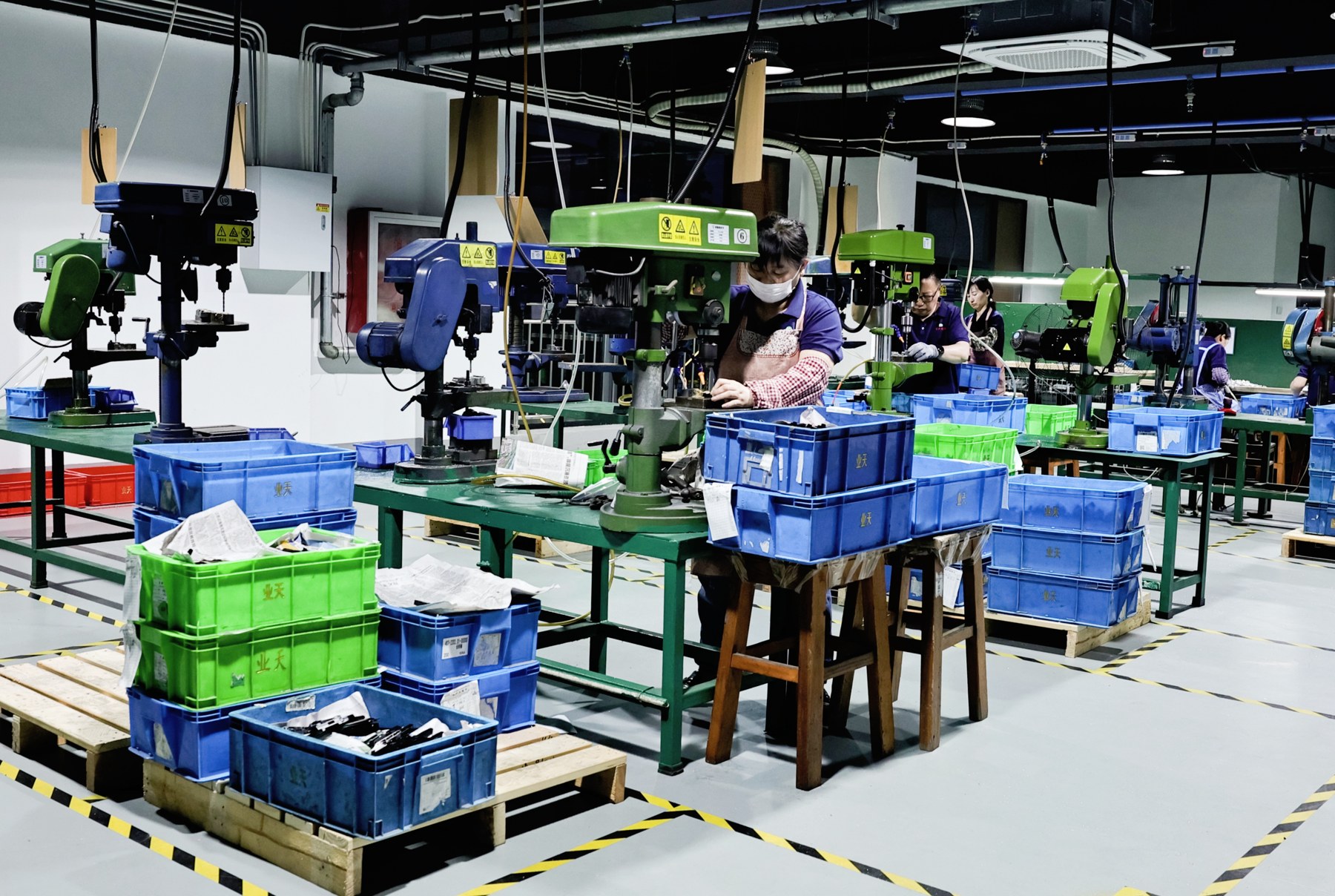
Finished zinc and aluminum components for high-mix, small-batch projects. We review tooling, casting, machining, surface treatment and assembly together to quote the complete supply scope.
Zinc + aluminumTwo casting routes for custom projects
Per-part planningQuantities and revisions kept clear
Sample approvalAn agreed step before production
Build a practical low-volume production plan
A small order still needs a clear tooling and quality plan. Start with the commercial requirement and connect it to the work needed for each part number.
01
Separate tooling from parts
Tell us whether you need a new mold or have existing tooling for review. Tooling condition, compatibility and the required part revision affect the plan. Separate one-time tooling requirements from recurring part production.
02
Describe the order pattern
List the quantity per order, expected annual demand and likely repeat orders for every part number. This helps us review setups, machining, outside finishing and the delivery scope without assuming all parts share one route.
03
Approve the production basis
Align the drawing revision, alloy, sample requirements, finish and acceptance criteria. The proposed route proceeds through tooling or process review, samples, customer approval, production inspection and delivery.
FROM THE YETIAN PORTFOLIO
Different geometries. Specific requirements.
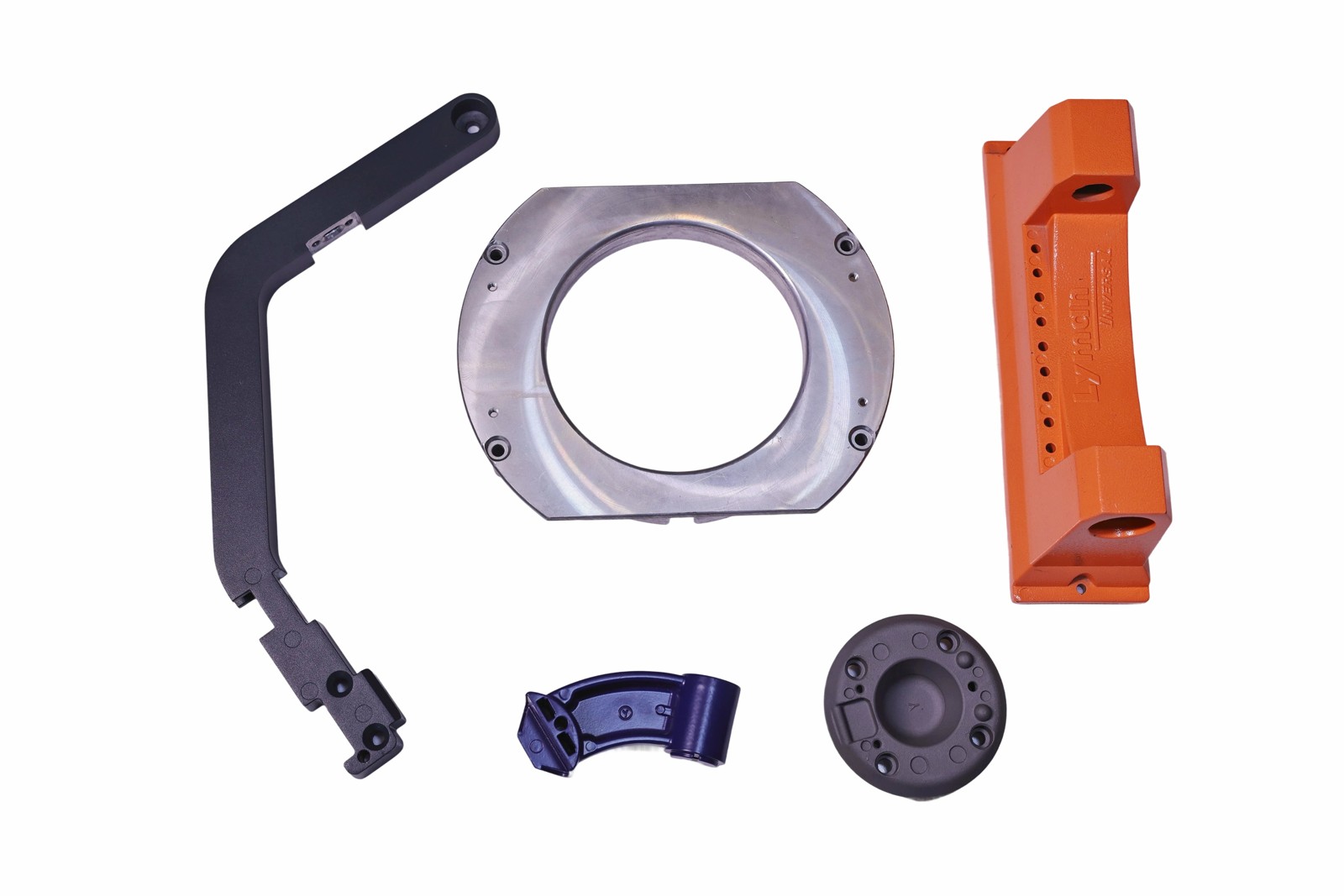
The medical equipment portfolio shows brackets, ring-shaped parts and mounting components with different interfaces and surface requirements. This is the kind of part variety a high-mix manufacturing plan needs to address.
For your project, send a part-number list with drawing revisions and quantities. Each part receives its own feasibility and scope review, even when several parts belong to one assembly.
Practical answers for custom die casting projects.
What is the minimum order quantity?
There is no single minimum for every component. Tooling, part geometry, secondary operations and finishing all affect a practical batch size. Send your intended quantity and repeat demand for a project-specific quotation.
Is die casting suitable for a very small quantity?
It depends on the tooling investment and the manufacturing work required. Tell us whether the parts are for samples, a first production order or recurring supply. We review the proposed route before confirming a quotation.
Can existing tooling be used?
Existing tooling can be submitted for review. Provide available mold drawings, dimensions, condition, prior part information and the required component revision. Compatibility must be established before transfer or production is agreed.
Can several part numbers be quoted together?
Yes. Use one list that identifies each part number, revision, material, order quantity, annual demand and finish. Tooling and processing requirements are still assessed individually.
How are samples and delivery dates handled?
Sample requirements and the approval sequence are agreed during project review. Tooling work, outside processing and production scheduling affect lead time. Dates are confirmed in the quotation and order agreement.